Disclaimer: A mere mortal’s attempt to understand the cosmos.
Of all the moments on a mountaineering expedition, the comforting aftermath of the climb is the one I look forward to most. My team of fellow hikers, along with the local guides who had led us deep into the Garhwal Himalayas of northern India, had safely descended the high ridges, slipping back into the ancient village of Osla just before the monsoon rains began anew. After days of braving the high altitudes, we were now nestled comfortably on the carpeted floor of a traditional wooden house. Before us sat an authentic pahadi thali stacked with regional staples—aromatic red rice, rajma, chholiya, and mandua rotis—paired with a glass of a local rice wine called chang. Safe, warm, and thoroughly fed, the true reward of the journey finally began: it was time for stories.
"Years ago," said Bahatar Singh Rana, a village elder, "our ancestors unearthed a script from the main temple in Osla. From there, it was revealed that the temple was truly dedicated to Someshwar Devta, a tribute to Shiva. I still don't understand why people to this day associate it with Duryodhan."
His frustration was justified. If you query today’s most advanced AI models or internet search engines, they blindly assign the Temple of Osla to Duryodhan, the central figure of discord from the Mahabharata. They rely entirely on their mechanical compasses—the internet—to lead them here.
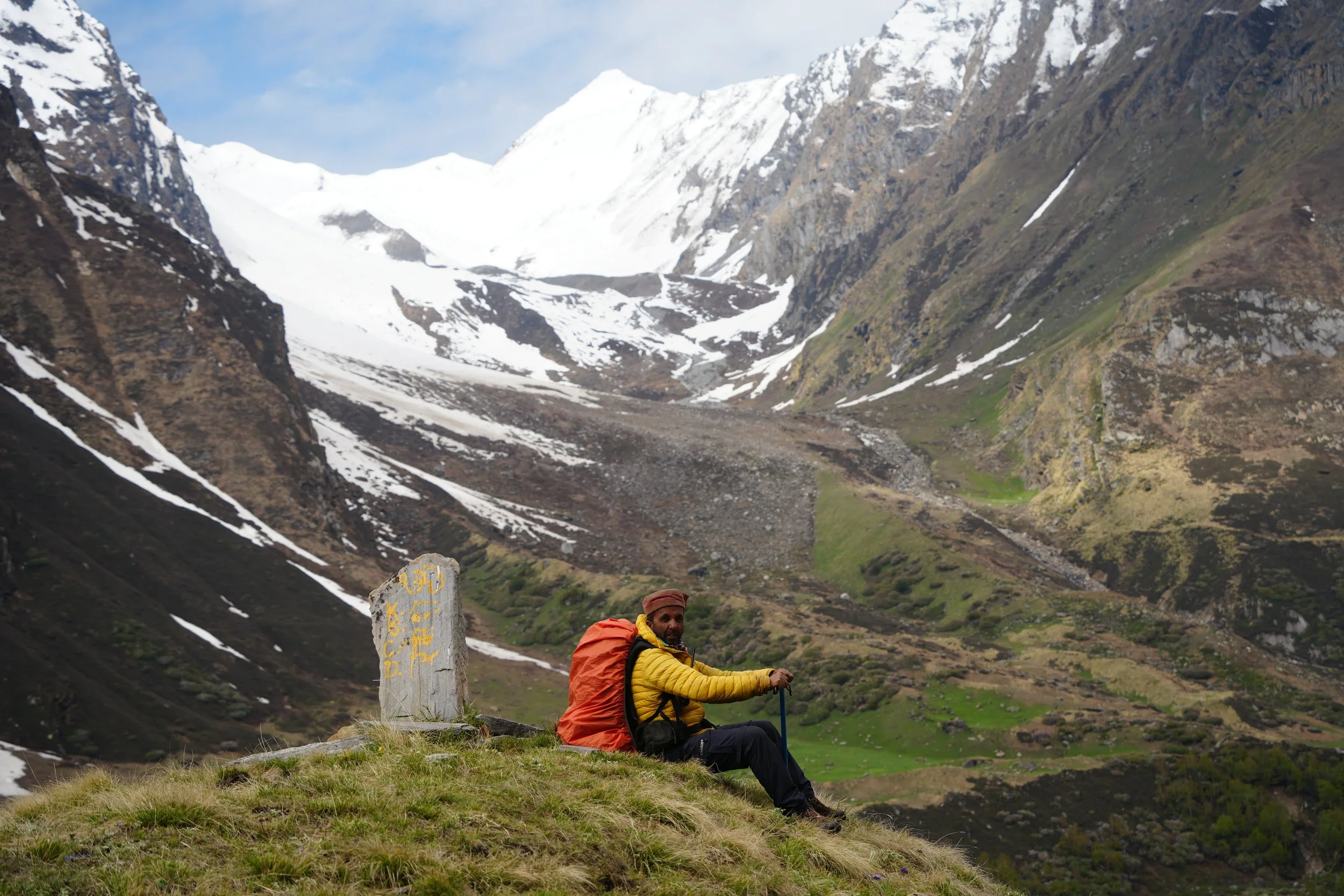
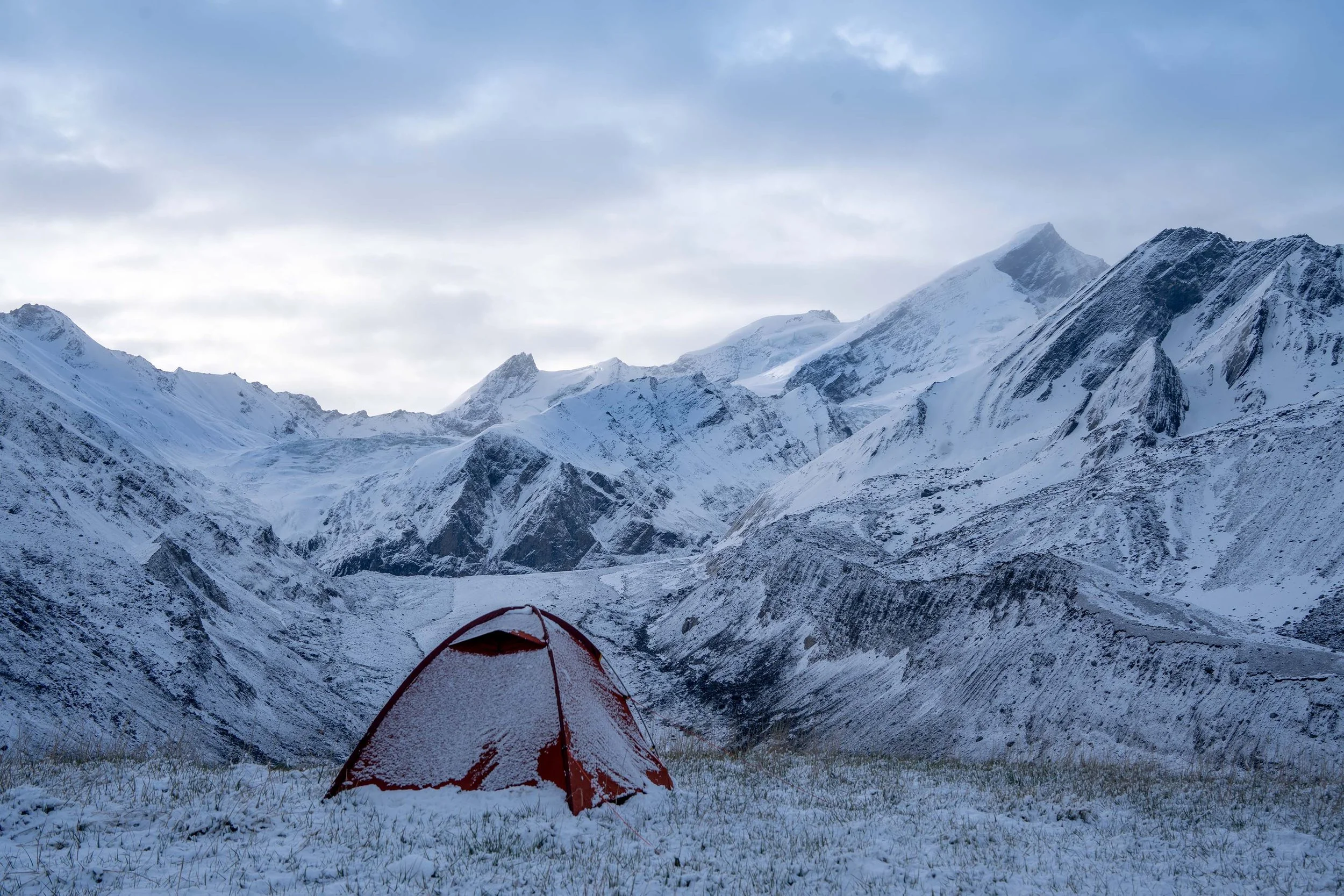
As a mountaineer and researcher with over a decade of experience exploring the unforgiving outdoors across the US, Europe, and the Himalayas, I found this skewed digital narrative deeply fascinating. Over the years, while driving technical research for Intel and the drone analytics company, Gather AI, I had learned to blend my field insights with these analytical skillsets. Now that I am back in India, this distinct vantage point drives me down a new path. I chose to trade silicon for a raw, grounded anthropological approach—uncovering newfound narratives, separating systemic myth from reality by immersing myself directly in the world of these mountain communities, and building lasting bridges between humanity and nature.
Thread I: The High-Altitude Tightrope
Osla is one of the most remote villages in Uttarakhand, serving as the launchpad for a spectacular network of high-altitude trails and peaks steeped in ancient Hindu lore. To its east lies the prominent Bandarpoonch massif, or the Saraswati Range, which feeds the headwaters of the sacred Yamuna River. Its name literally translates to "Monkey's Tail," charting back to the myth where Lord Hanuman flew to its summit to extinguish his burning tail after the battle in Lanka.
The massif holds three formidable peaks: Bandarpunch I (6,316 m), a hub for challenging mountaineering; Kalanag (6,387 m), the highest of the trio, meaning "Black Cobra" due to its snake-like summit; and Bandarpunch II or White Peak (6,102 m), which stands guard over the sacred shrine of Yamunotri. Further west lie Swargarohini (6,252 m), a highly technical peak; Trijugi Shikhar (5,830 m), known in local folklore as the "peak which stood witness to the three yugas"; and Shivashraya (5,900 m), revered as the literal abode of Shiva.
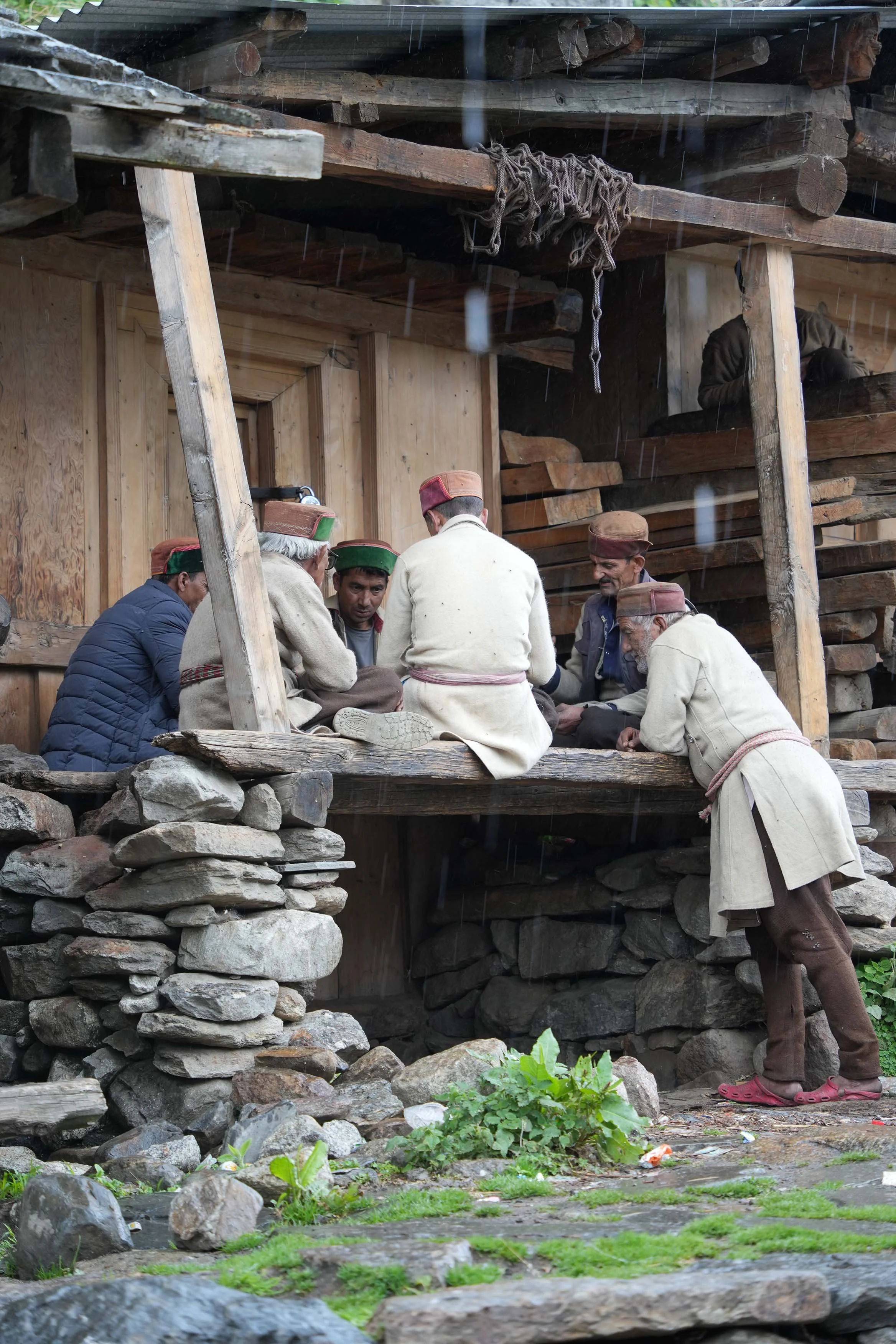
This legendary terrain is a paradise for adventure seekers, drawing crowds to the Nag Tibba, Phulara Ridge, Dodital-Darwa Pass, and Bali Pass treks. Consequently, this booming outdoor industry is directly tied to the economy of Osla. It is common to meet elderly village men who scaled these peaks 15 or 20 times in their youth; today, the younger generation has stepped in to guide the influx of modern trekkers.
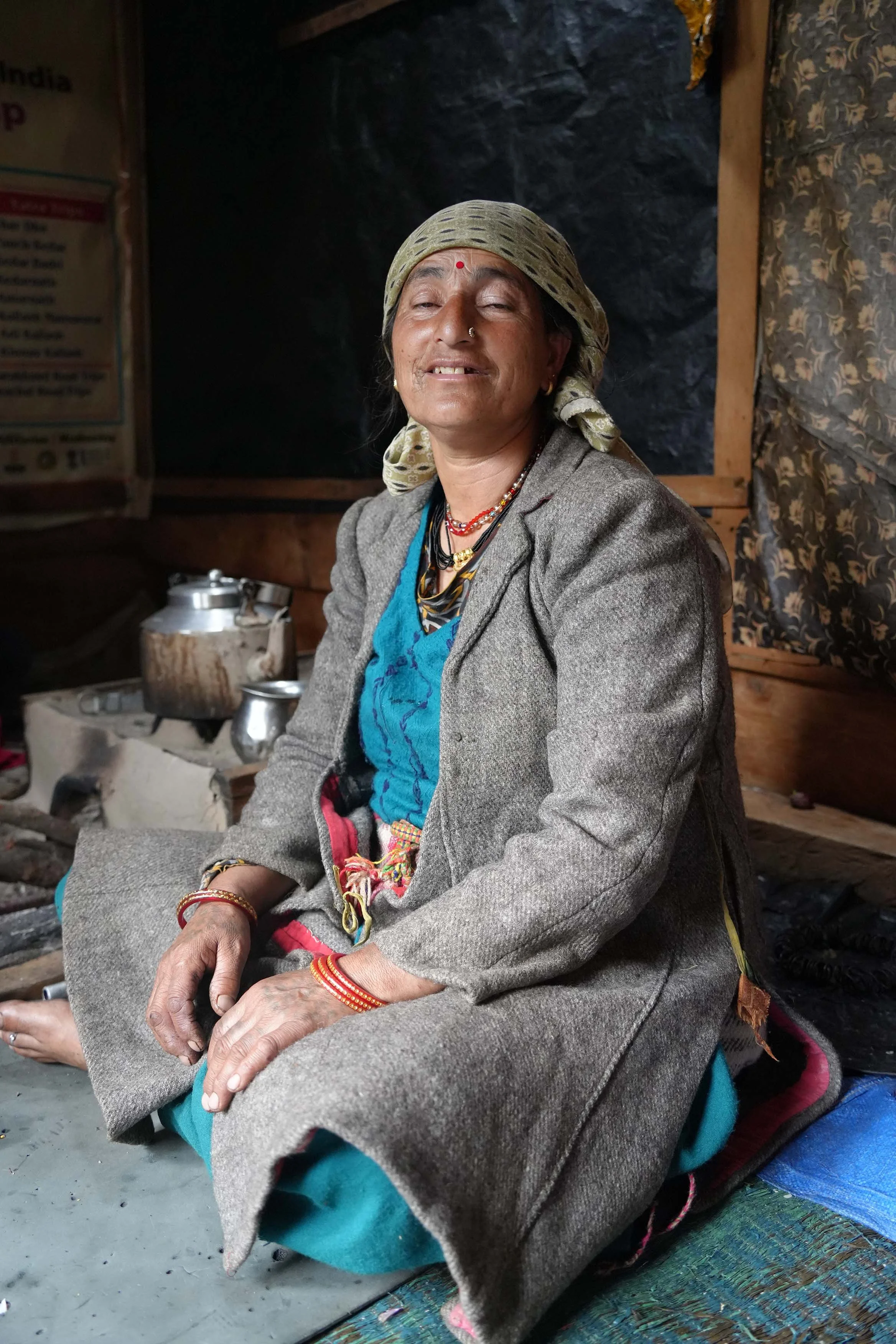
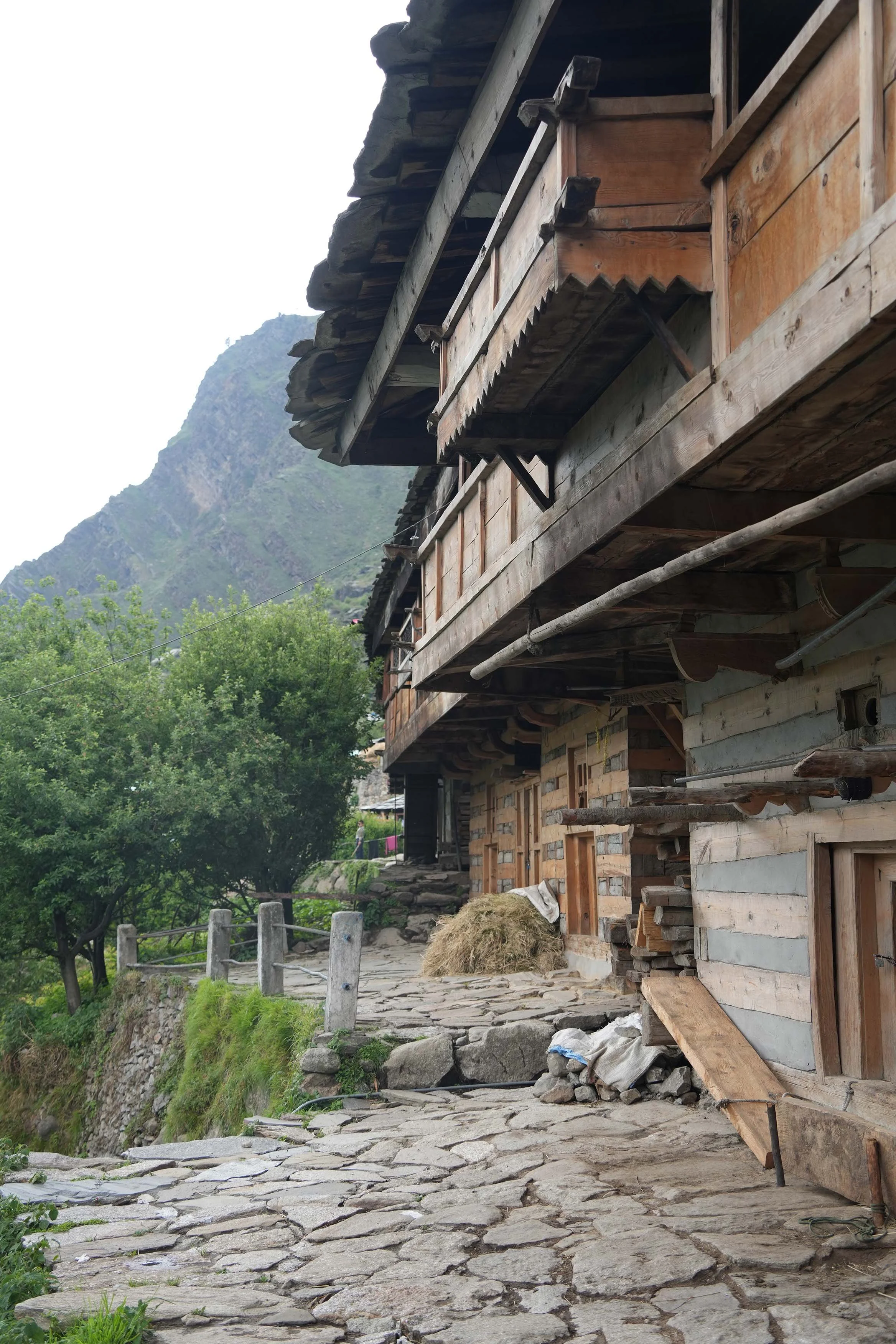
Yet, this thriving tourism economy is a fragile facade. While private trekking giants have successfully commercialized these routes, local life remains trapped in a bygone era. During the off-season, people must resort to traditional means of income, like managing pony services, herding sheep, and limited farming—a split lifestyle visible in their traditional homes, where the ground floor is reserved for livestock and the upper levels for residents.
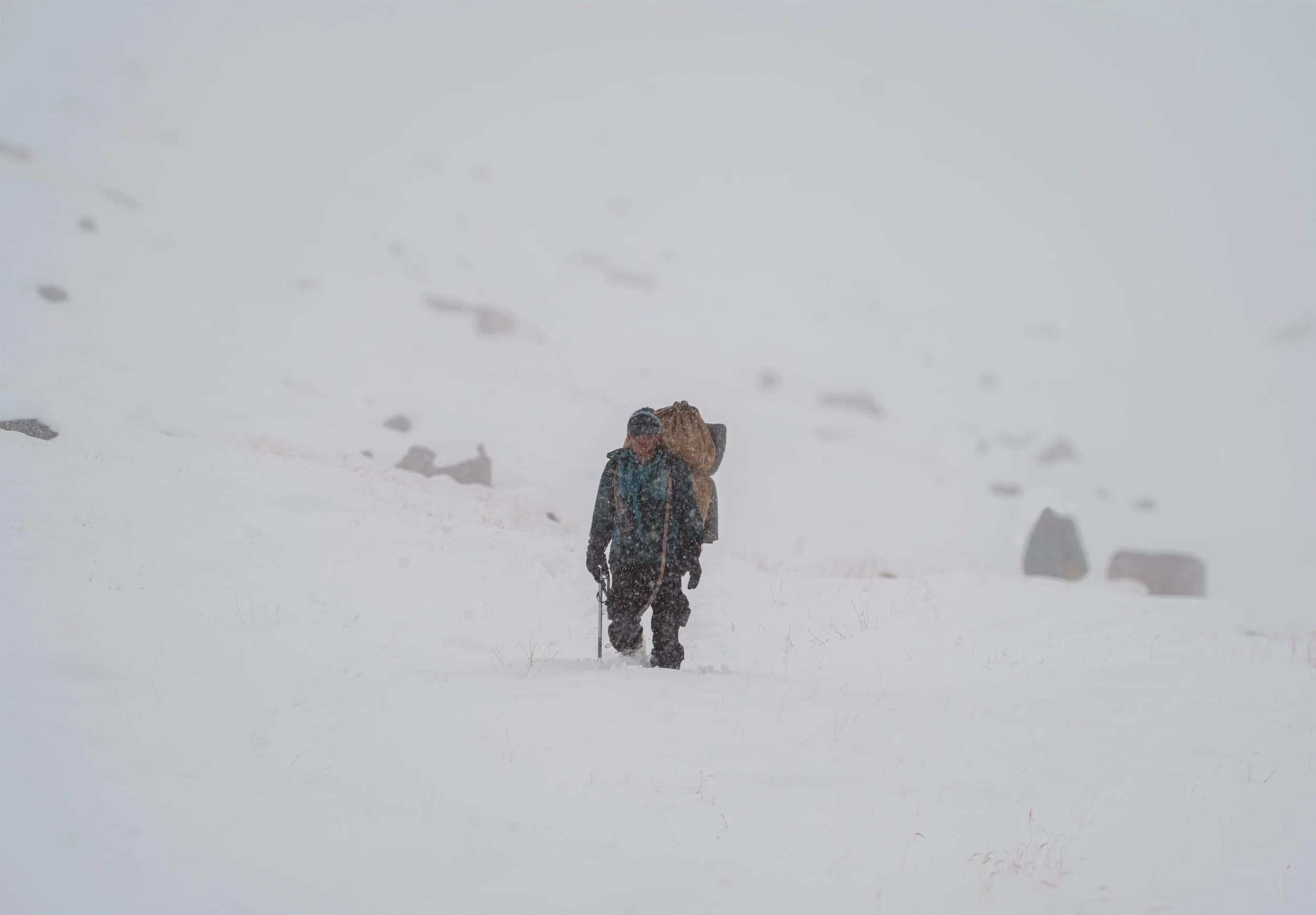
As Bahatar Singh Rana spoke of ancient myths, a flicker of modern anxiety crossed his face. His grandson had fallen severely ill a few months prior. Because Osla has no medical facilities—not a single doctor—the child had to be carried to the neighboring village of Pawani. That night, there was no cellular coverage. In an era where mountaineers can access Starlink Mini at Everest Base Camp, we were completely blind in Uttarakhand. No weather updates, no emergency contacts. It makes premium travel insurance with airlift support feel like a grim joke.
“This is the high-altitude tightrope: we are exploiting these remote cultural landscapes for recreation while ignoring the fundamental necessities of the people who guard them.”
Thread II: Rewriting the Himalayan Rulebook
If we are to preserve the "Mountains of Tomorrow," we must pivot from exploitation toward a structured solution space. Guided by my multi-disciplinary fieldwork, I propose three essential frameworks to serve as the blueprint for this transformation:
I. Socio-Economic Infrastructure & Sustainable Tourism
A 'Shunya Niti' (Zero-Politics) Policy: Essential baseline infrastructure—healthcare, schools, and basic telecommunication—must be recognized as spaces untouched by regional politics. These projects must be executed on a strict, fixed timeline, ensuring that ever-changing policy landscapes do not hinder human progress.
Empowering the Village Economy: We must move beyond basic tourism by directly stabilizing the village core. This requires targeted economic support for agriculture and animal husbandry, alongside building streamlined supply chains for both outgoing local goods and incoming essential distributions.
Sustainable Trekking & Local Capacity Building: Local communities must be trained and fairly employed for trail maintenance, search and rescue operations, and specialized guiding skills. We must actively involve trek volunteers to collaborate on installing trail signage and building emergency eco-shelters.
Dignity for the Invisible Supply Chain: "I have lost count of houses I have helped people build, but I have none for myself," Madan, a migrant worker, told me. He lives in a plastic tent held together by rocks in sub-freezing temperatures. We need an industry-wide framework that mandates dignified housing and basic necessities for the seasonal labor force.
II. Advanced Tech Framework
The Drone & Reconnaissance Mesh Framework: Rather than looking at these remote border villages as isolated, individual entities, we must build a unified technological ecosystem. We need a Decentralized Reconnaissance Mesh—an interconnected network where stationary, solar-powered posts and local drone operations actively communicate, leveraging their collective insight.
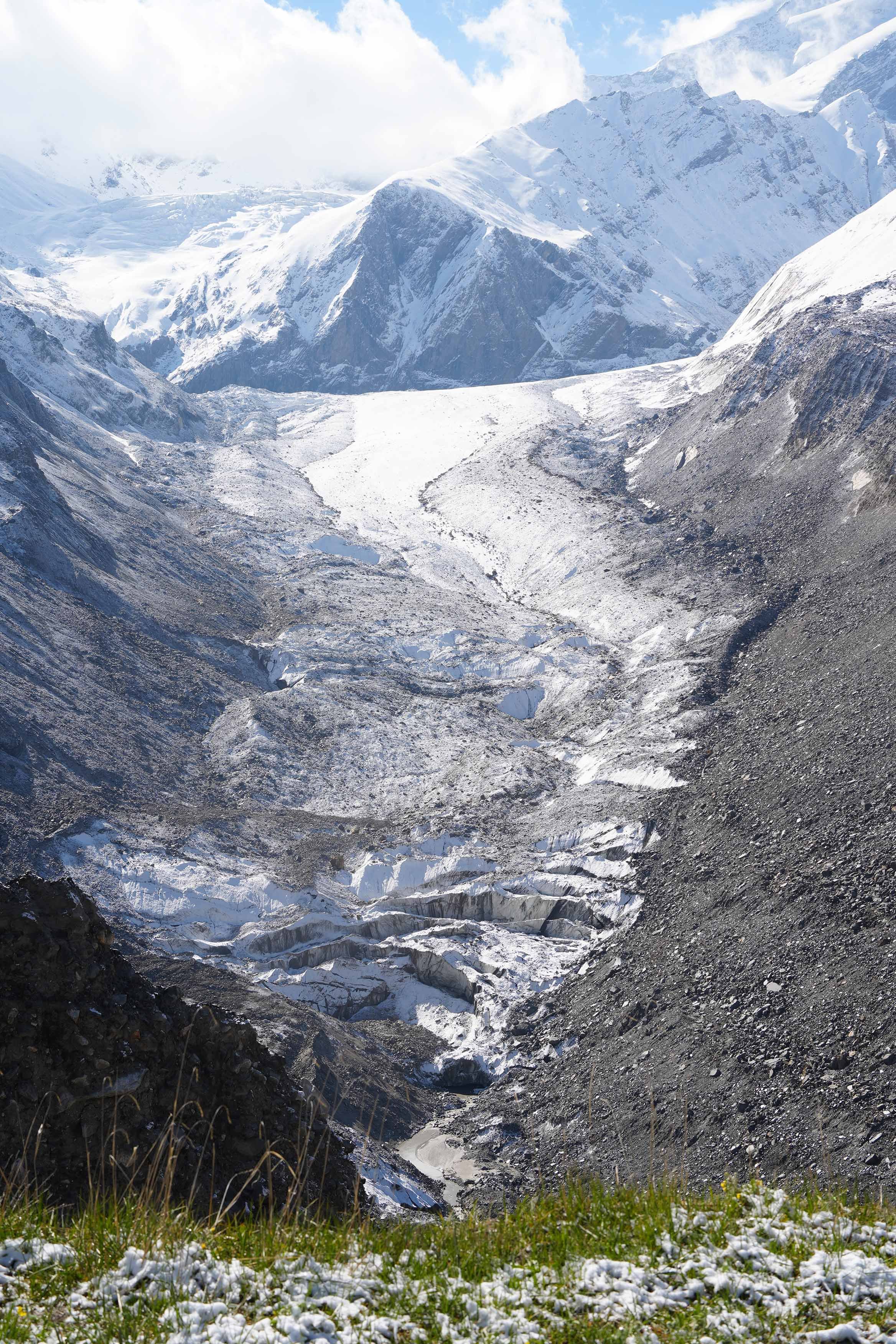
Instead of treating Osla or Pawani as data black holes, the sum insights of all active posts can be pooled in real time. By deploying smart sensors and drones to map the changing alpine terrain in high-fidelity 3D formats, this framework can continuously analyze structural changes, predict ecological hazards like flash floods, track tourism footfall, and measure the real-time impact of climate change across the entire valley simultaneously.
III. Cultural Conservation & Rural Planning
Preserving Heritage Ecosystems: Progress must not overwrite identity. We must deliberately protect local heritage, ensuring development honors traditional architecture, house-building styles, native clothing, festivals, languages, oral histories, and unique cuisines.
Model Village Development: To prevent haphazard construction, there is an urgent need to collaborate with forward-thinking architects and town planners. By integrating modern hygiene systems and sustainable rural planning, we can ensure that villagers live with immense grace while visitors experience the unblemished splendor of a thoughtfully developed mountain ecosystem.
Thread III: Guardians of the Peaks
Progress must not be mistaken for prosperity. As we rethink how hiking is done in these spaces—introducing better communication, renewable resources, and rewards for trekkers who clean up trails rather than just fining those who litter—we must protect the human element.
The mountains are the source of our rivers, our myths, and our environmental stability. Rewriting this guidebook is our opportunity to safeguard that very beauty, ensuring the Mountains of Tomorrow do not become barren terrain.
Like a mountaineer gaining the ridge, we must keep one foot firmly planting the seeds of ecological and cultural stability, while the other impels us forward into a hopeful future. By balancing cutting-edge sustainability with deep cultural preservation, we ensure that the vibrant stories shared around our campfires never fall silent, and that the majestic landscapes we inherit remain a thriving home for generations to come.
Thread IV: Note to Future Self:
Revisit Osla during their harvest festival.